Worldwide Shipping

Request a Prototype

Wherever You Are

Prototypes is based in San Bonifacio (Verona), but we can reach you anywhere in Italy and abroad.

Contact us, we’ll ship your prototypes wherever you are.

Shipping prototypes worldwide

Rapid prototyping with plastic powders

Rapid prototyping with plastic powders

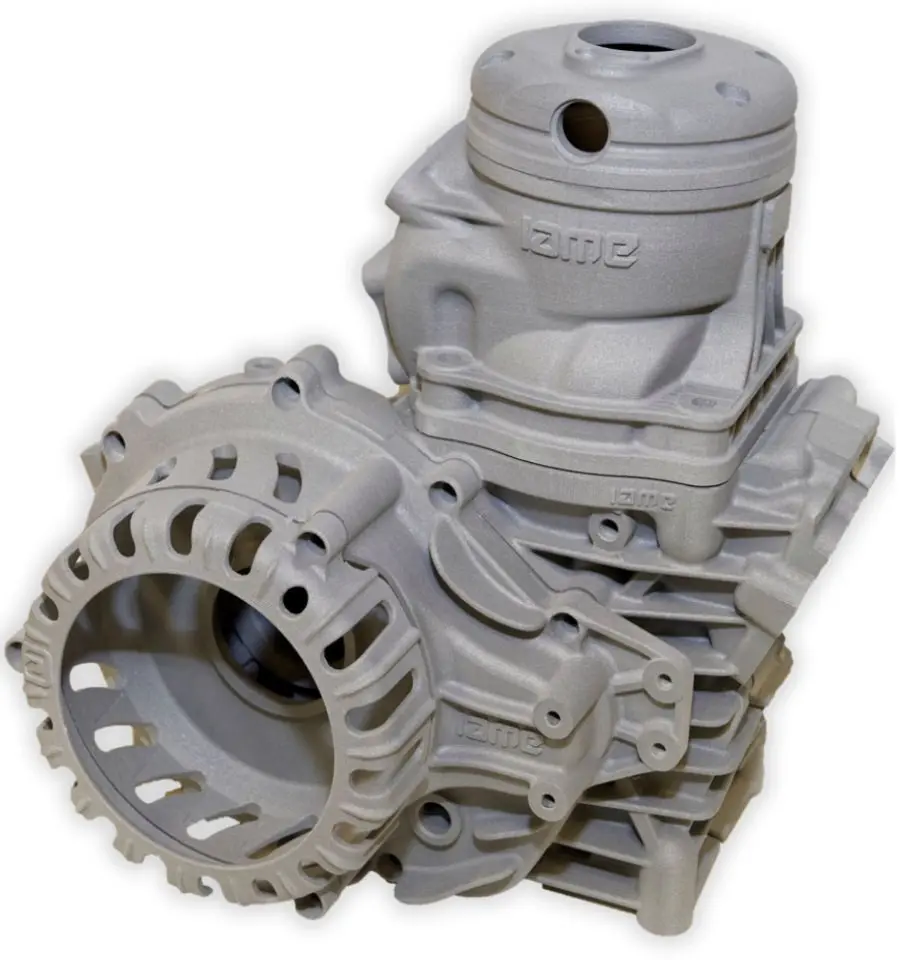
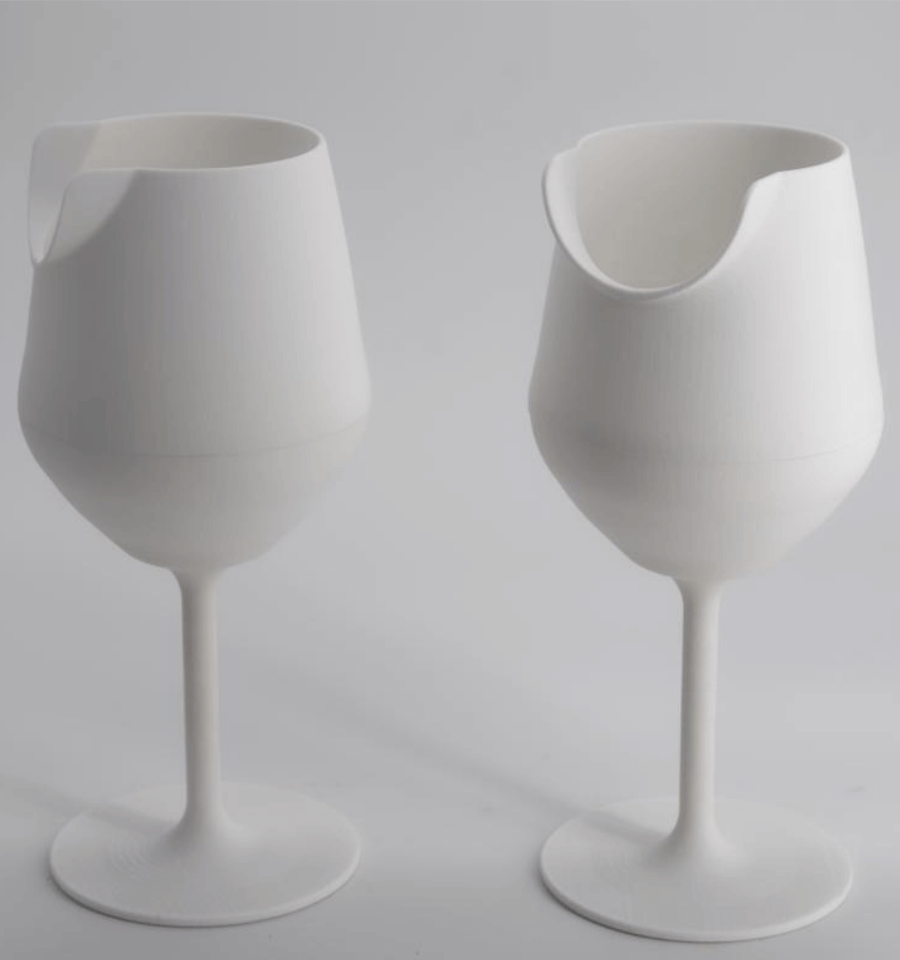
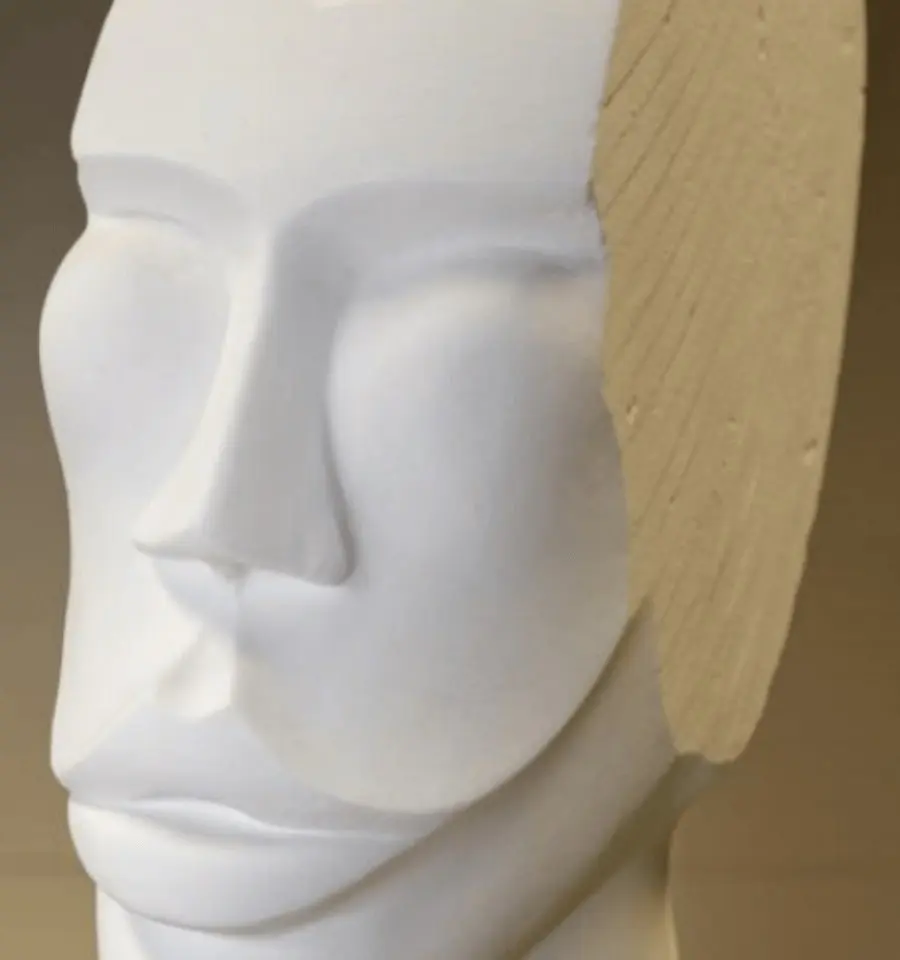
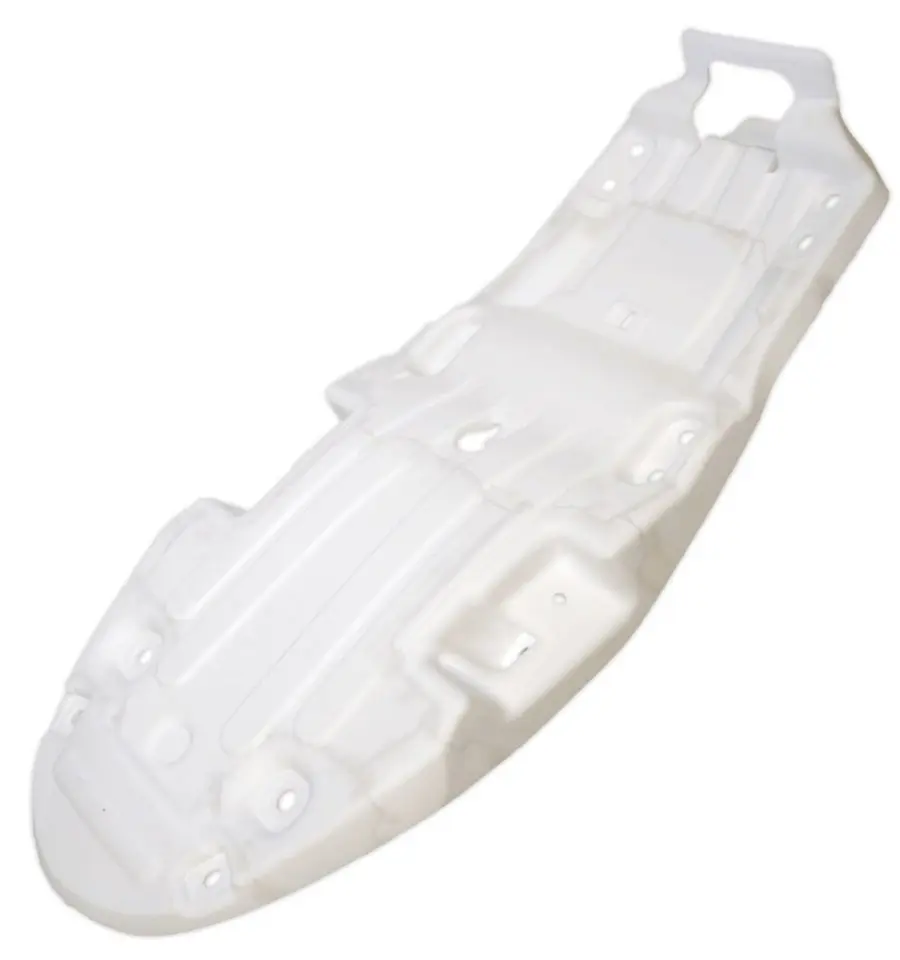
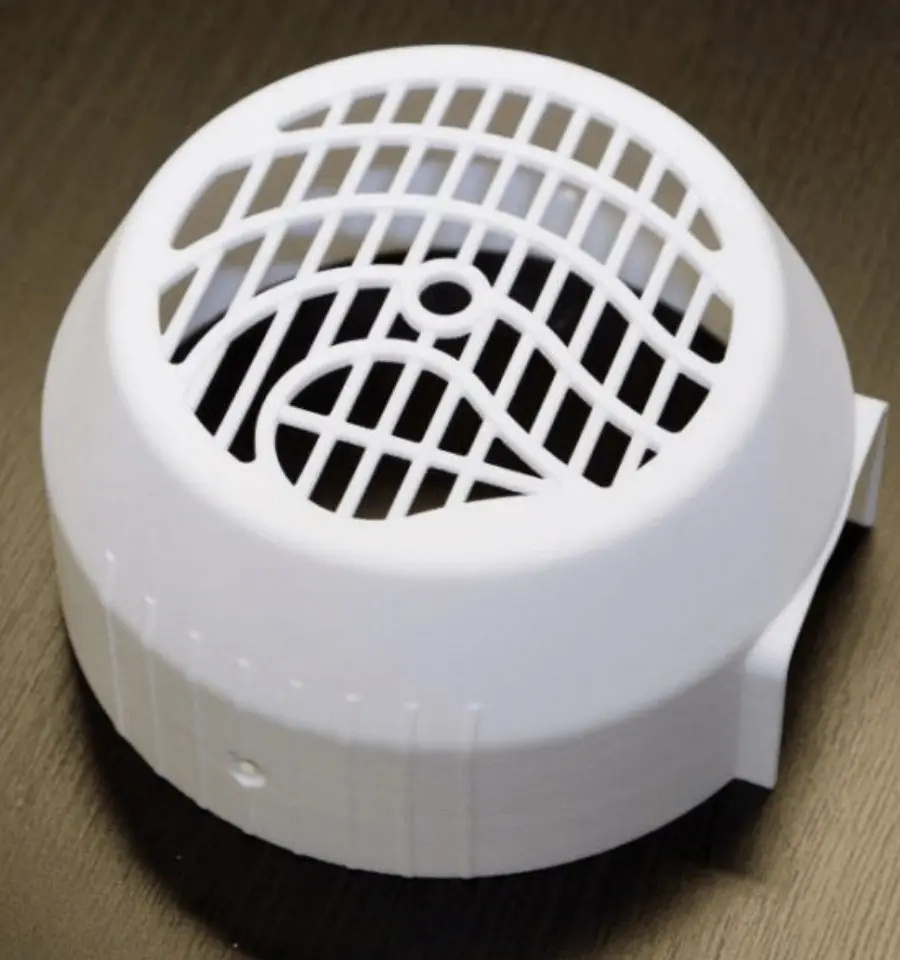
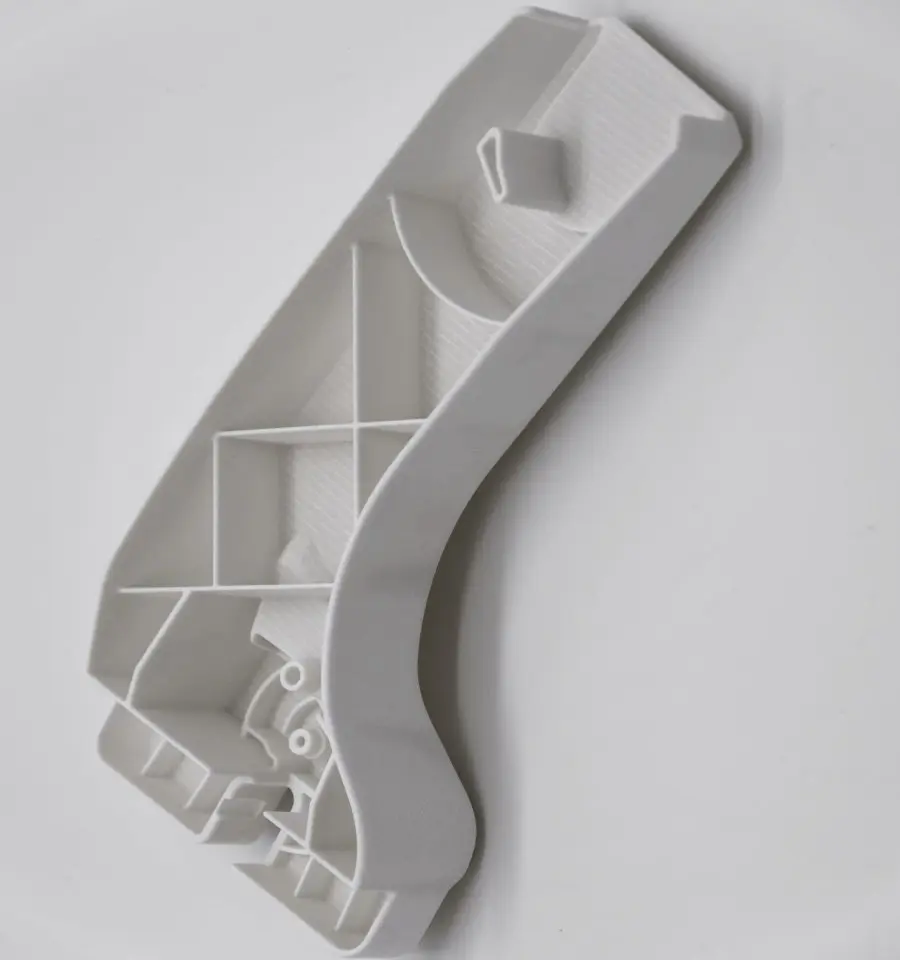
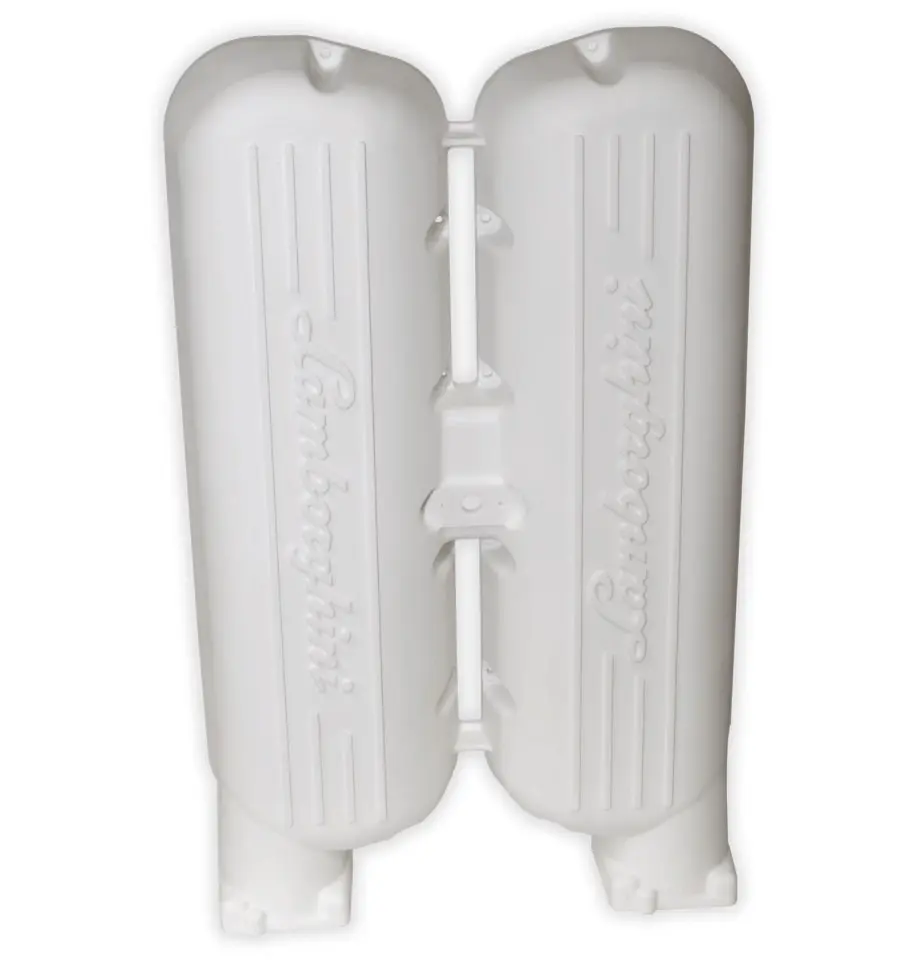
Selective Laser Sintering (SLS) is a rapid prototyping technology that uses plastic powders based on polyamide (PA), with optional glass, aluminum, or carbon fillers. The laser partially melts the granules, creating solid objects with residual micro-spaces that can be eliminated through infiltration or impregnation, making the parts more compact and suitable for functional testing.

Features

How Selective Laser Sintering works

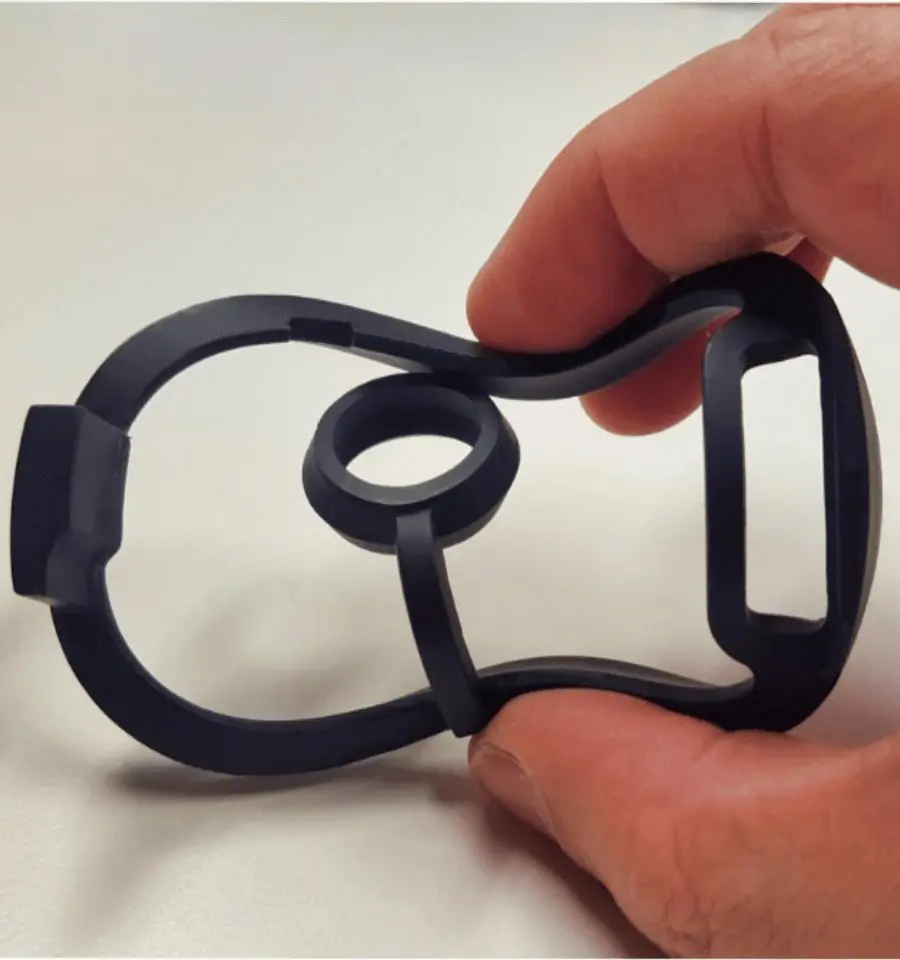
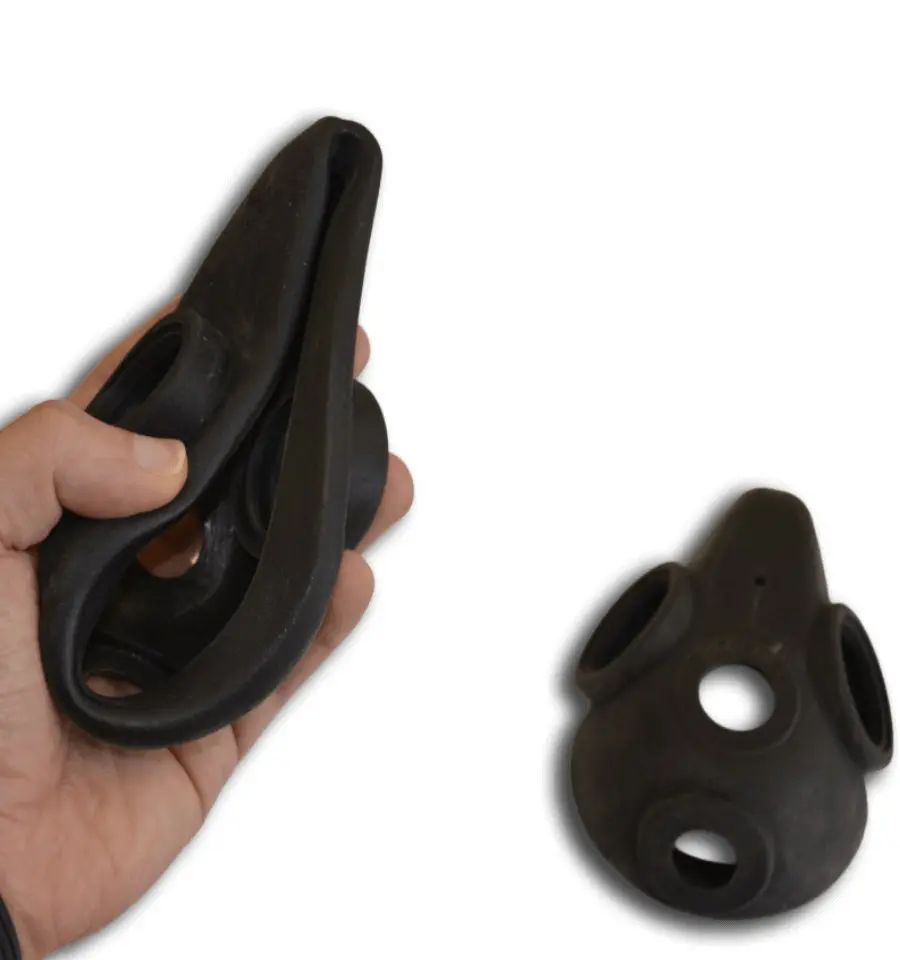
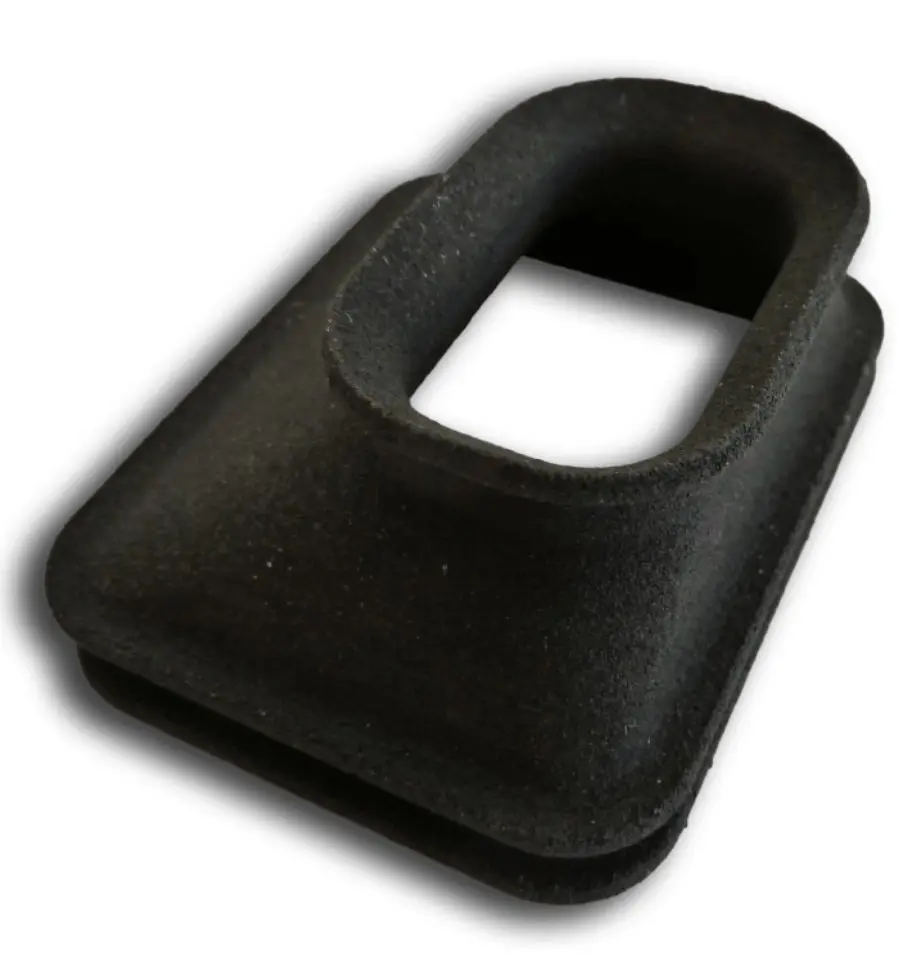
SLS uses a laser beam to progressively bind plastic material granules, layer by layer. By using pure or filled PA (PA-GF, PA-AL, PA-C), it’s possible to obtain durable and lightweight parts, suitable for testing or small-scale production. It’s also possible to produce rubber-like components, using block polyether amide (PEBA) granules.

Developed applications

Appliances
  • Grids
  • Caps
  • Knobs
  • Burners
  • Wok Supports
  • Tanks
  • Distributors
  • Shut-off valves
  • Control valves
  • Pump body
  • Motor lantern
  • Nozzles
  • Valves
  • Grinders
  • Open Impellers
  • Closed Impellers
  • Single-channel Impellers
  • Diffusers
  • Circulators
  • Supports
  • Motor shields
  • Inverter boxes
  • Casings
  • Finned masses
  • Street lamps
  • Racing components
  • Aluminum frames
  • Engine cylinders
  • Cylinder heads
  • Brake calipers
  • Clutch cases
  • Engine cases
  • Gearboxes
  • Frame elements
  • Forks
Why Choose It

Advantages of SLS sintering

Versatile materials

Variants with glass, aluminum, or carbon fillers are available, which improve performance in terms of strength and wear resistance.

Large dimensions without design limitations

Through assembly and structural bonding, it’s possible to create large parts by breaking them down into sub-parts with integrated mechanical joints, which are then joined with structural epoxies and reinforced with fiberglass.

Optimization of time and costs

These strategies reduce deformations, processing times, and overall costs, while maintaining good mechanical properties typical of industrial polymers.